Understanding Respiratory Syncytial Virus and New Maternal Prevention Options
Respiratory Syncytial Virus (RSV) is a highly contagious respiratory virus that poses a serious threat, especially to infants. In Hong Kong, RSV is the leading cause of bronchiolitis and pneumonia in babies under one year old, often requiring hospitalization and increasing the long-term risk of asthma.
What is RSV?
- RSV stands for Respiratory Syncytial Virus
- Extremely contagious, with early symptoms similar to a common cold (runny nose, cough), but it can rapidly worsen into severe respiratory illness
- Infections occur year-round in Hong Kong
- 2 out of every 3 babies under 1 year old have been infected with RSV
- 90% of children under 2 years old have been infected
Why is RSV Particularly Dangerous for Infants?
Infants have immature immune systems and developing lungs/bronchi, making them less able to fight the virus:
- Highest risk of severe disease in babies under 6 months
- Can lead to complications like pneumonia and bronchiolitis, causing breathing difficulties
- Severe cases require hospitalization (average 3–4 days)
- Prior RSV infection may increase risks of recurrent wheezing (↑4.5x), hospitalization (↑7.7x), pediatric ICU admission (↑9x) — effects lasting up to 10 years
- Important: One RSV infection does not confer lifelong immunity — reinfection is possible, with higher severe disease risk in infants
Common Symptoms of RSV in Babies
- Fever
- Cough and wheezing
- Runny nose
- Difficulty breathing
- Poor appetite, irritability
- Reduced activity, lethargy
Seek medical attention promptly if your baby shows wheezing, cough, or breathing difficulties!
Is RSV More Dangerous Than Flu?
For infants under 1 year:
- Hospitalization risk: RSV is about 16x higher than flu
- Mortality risk: RSV is about 10x higher than flu
Globally, over 2 million infants are hospitalized annually due to RSV, with over 70% being full-term and otherwise healthy.
How is RSV Infection Treated?
No specific antiviral treatment exists:
- Mild cases: Symptom relief with fever reducers and pain medication
- Severe cases: May require oxygen support, IV fluids, ventilators, or procedures to clear thick mucus
High-Risk Places for Infection
Children often contract RSV outside the home, such as in schools, nurseries, or hospitals.
New Prevention Option for Pregnant Mothers: RSV Vaccine
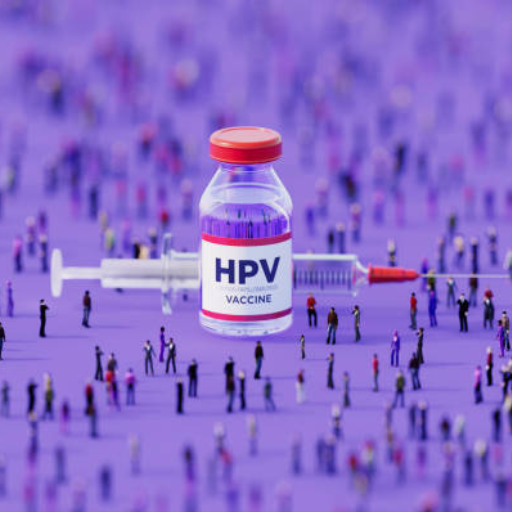
Great news! The bivalent RSV vaccine is now available in Hong Kong and approved for use during weeks 32–36 of pregnancy, providing protection to newborns from birth via maternal antibodies.
- Approved in multiple countries, including the US, France, UK, Canada, and Australia
- Can be co-administered with other vaccines (e.g., flu, COVID-19, Tdap)
- Consult your doctor for details
Talk to your doctor today to help protect your baby from severe RSV!