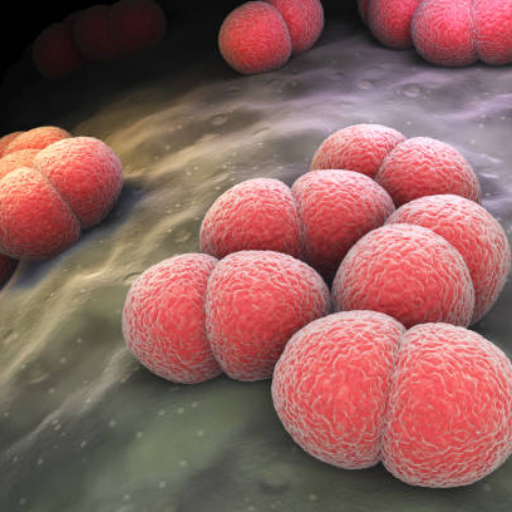
Pneumonia remains a major health concern in Hong Kong, ranking as the second leading cause of death. Among its common culprits is Streptococcus pneumoniae, or pneumococcus, which can lead to severe illnesses beyond just pneumonia.
The Prevalence of Invasive Pneumococcal Disease (IPD)
In Hong Kong:
- For children (17 years or younger), 59%-68% of IPD cases are caused by serotype 3.
- For adults (50 years or older), it’s 36%-48%.
Data from 2016-2020 shows serotype 3 as the most common cause of adult IPD. This bacterium can invade critical areas, causing:
- Meningitis (brain membrane invasion)
- Bacteremia (bloodstream infection)
Tragically, IPD caused by serotype 3 has a mortality rate of 30%-47%.
Why Does Serotype 3 Persist Despite Vaccination Programs?
Pneumococcal vaccines have been part of Hong Kong’s Childhood Immunisation Programme for over 10 years and the Adult Vaccination Subsidy Scheme for over 5 years. Yet, serotype 3 continues to thrive. Why?
- Serotype 3 has a thicker polysaccharide capsule than other types, enhancing its virulence and ability to evade the immune system.
- It requires eight times or more antibodies for effective protection compared to other serotypes.
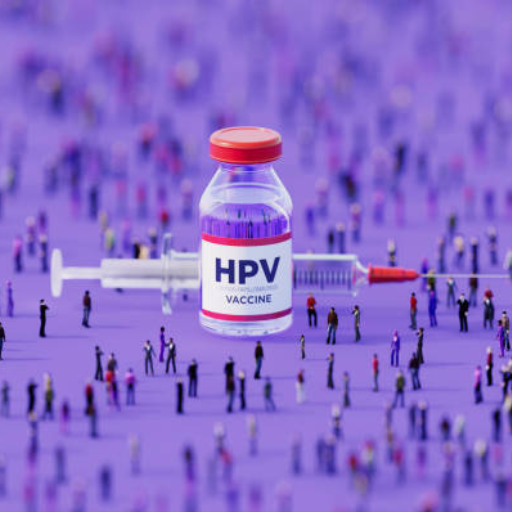
Introducing the New 15-Valent Pneumococcal Conjugate Vaccine
This advanced vaccine targets serotype 3 more effectively with upgraded technology.
Vaccination Methods
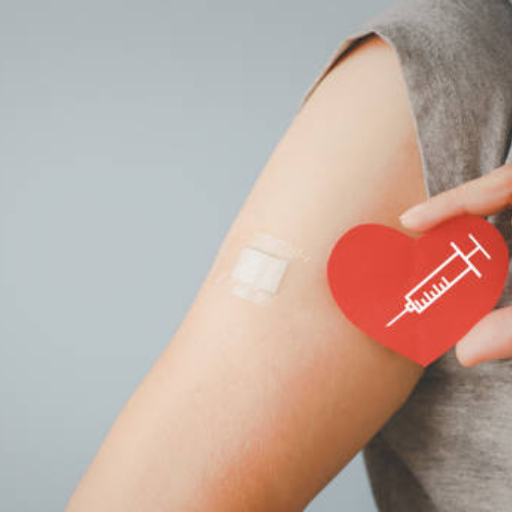
- For adults or children 12 years and older: One intramuscular injection, preferably in the deltoid muscle.
- For infants:
- Schedule 1: 3 doses – first at 6-12 weeks, second after 8 weeks, booster at 11-15 months.
- Schedule 2: 4 doses – first at 6-12 weeks, next two at 4-8 week intervals, booster at 11-15 months after at least 2 months from the third.
It can be administered alone or with inactivated influenza vaccine* or routine infant vaccines#.
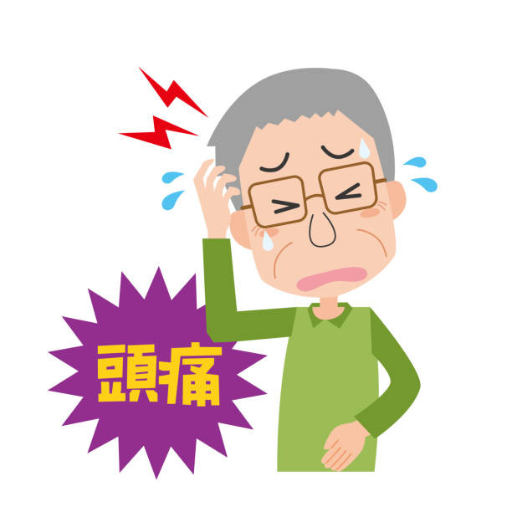
Very common side effects (usually mild and short-lived): Injection site pain, swelling, redness; fatigue; muscle pain; headache; joint pain.
*Applicable to infants under 2 years, including at 15 months, 4 years, and 8 years, for vaccines against hepatitis B, Haemophilus influenzae type b, measles, mumps, rubella, varicella, and rotavirus.
*For adults 15 years and older.
High-Risk Groups for Pneumococcal Infection
- Children under 5 and adults over 50.
- Those with chronic conditions: Cardiovascular disease*, lung, liver, or kidney disease.
- Metabolic disorders: Diabetes or obesity (BMI ≥30, excluding uncomplicated hypertension).
- Weakened immunity: HIV/AIDS, cancer.
- Neurological conditions impairing breathing.
- History of IPD, CSF leak, or cochlear implants.
Common Questions
What’s Different About the 15-Valent Vaccine?
Beyond covering more serotypes, it uses next-generation tech to induce a stronger immune response against serotype 3 – Hong Kong’s “superbug.”
Is a Higher-Valent Vaccine Always Better?
Not necessarily. Studies show higher-valent vaccines may produce lower immune responses than lower ones. WHO recommends considering local serotype prevalence. Consult your doctor.
Switching from Other Vaccines?
Infants can switch to the 15-valent at any point in their schedule for added protection.
Co-Administration with Flu or COVID Vaccines?
Adults can co-administer with flu vaccine at different sites. For COVID, evidence is limited; Hong Kong’s Department of Health suggests at least 14 days apart. Check with your doctor.
Recognizing Pneumonia
Pneumococcus spreads via droplets and can cause otitis media, sinusitis, meningitis, or sepsis. Over 80% of hospitalized IPD patients face severe complications like septic shock or ventilator needs. >95% of pneumonia deaths are in those over 65.
Serotype 3’s “Triple High” Risks: High mortality, severity, and hospitalization.
High-risk factors include smoking, excessive alcohol, low immunity, obesity, cancer, and chronic diseases like lung/kidney issues, diabetes, or cardiovascular problems.
Why Target Serotype 3 Precisely?
- Most Common: Leading cause of IPD in Hong Kong children/adults and Chinese adults.
- Antibiotic Resistance: Reduces treatment options.
- Stronger Virulence: Thicker capsule evades immunity.
Despite inclusion in programs, it persists.Recent data: 44% of IPD cases.
Protect yourself and loved ones – discuss vaccination with your healthcare provider today.