Prevention is always better than cure. Human Papillomavirus (HPV) is a common virus that can cause cervical cancer and other related cancers and diseases. Since the 2019/20 school year, the Department of Health has included the HPV vaccine in the Hong Kong Childhood Immunisation Programme, providing free vaccination for eligible primary school girls. This article summarizes official information to help parents and the public understand the importance, safety, and arrangements of the HPV vaccine. Please note that this is for reference only—consult a doctor before vaccination.
What is Human Papillomavirus (HPV)?
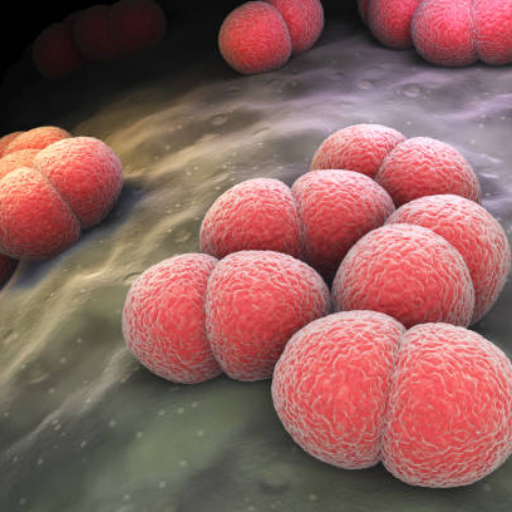
HPV is a group of over 150 viruses, with about 40 types infecting the genital area. Some high-risk types can cause premalignant changes and cancers of the cervix, vagina, vulva, and anus.
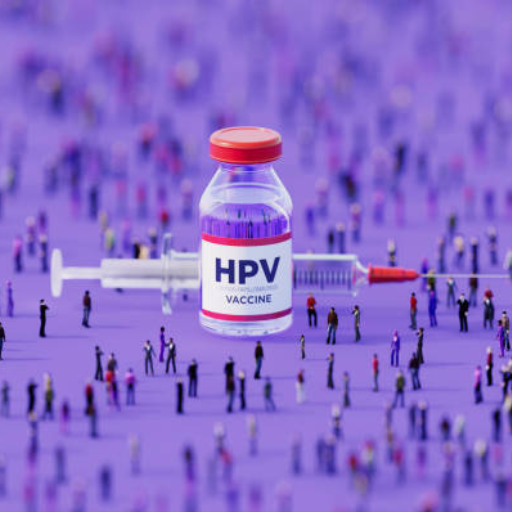
What is the HPV Vaccine?
The HPV vaccine is a prophylactic vaccine that prevents cervical cancer and other HPV-related cancers and diseases. In Hong Kong, about 90% of cervical cancers are caused by HPV types 16, 18, 31, 33, 45, 52, and 58, all covered by the 9-valent vaccine.
How to Get HPV Vaccination?
The Department of Health’s School Immunisation Teams visit participating schools to provide the first dose of 9-valent HPV vaccine free to Primary 5 girls, and the second dose when they reach Primary 6 the following year.
- School Arrangement: Parents will receive information and consent forms.
- If school does not participate: Call 2615 8585 for enquiries.
- Eligible girls not studying in local primary schools: Book at sub-offices with ID and school proof.
Parents can also arrange private doctor vaccination.
Latest Update (2026): A one-off Catch-up Programme (2024-2026) provides free catch-up doses (2 or 3 doses) for female Hong Kong residents born 2004-2008. Phase 3 started in June 2025—check the DH website for details.
Possible Reactions After Vaccination?
The HPV vaccine is generally safe. Common side effects are mild and short-lasting, similar to other vaccines:
- Headache, dizziness, nausea, fatigue
- Soreness/redness at injection site
- Fever
Most children have no serious reactions.
Is the HPV Vaccine Safe?
HPV vaccines have been used worldwide for years. The World Health Organization (WHO) and overseas authorities confirm they are safe and effective, with no evidence of serious side effects caused by the vaccine.
Why Vaccinate at School Age? Does It Encourage Early Sexual Activity?
The vaccine works best before HPV exposure, targeting girls before sexual debut. Studies show it does not make children more sexually active or start sex earlier.
Conclusion: Early Prevention for a Healthier Future
The HPV vaccine is an effective way to prevent cervical cancer. Hong Kong’s programme covers most girls, with catch-up options available. Even after vaccination, regular cervical screening is needed in adulthood.
For queries, contact the Department of Health or your doctor.