Endometriosis is a common gynecological condition affecting many women of reproductive age. It’s estimated that up to 1 in 10 women may have it¹⁰. If you’re experiencing period pain or related issues, this article can help you understand the condition better. Remember, this is not medical advice—consult a doctor if you have symptoms.
What is Endometriosis?
Endometriosis occurs when endometrial tissue grows outside the uterus, commonly in the pelvic area, ovaries, and fallopian tubes¹⁰. It’s often caused by retrograde menstruation, where menstrual blood flows backward, allowing endometrial cells to implant in unintended places, leading to period pain and irregular menstruation.
If it appears on the ovaries, it can form cysts filled with brown blood, known as **”chocolate cysts”**²⁵⁻²⁶. Rupture of these cysts can cause severe pain as fluid spills into the body cavity.
What Are the Symptoms?
Symptoms vary; some women have none and only discover it during infertility investigations¹⁰. Possible symptoms include²⁵,⁶:
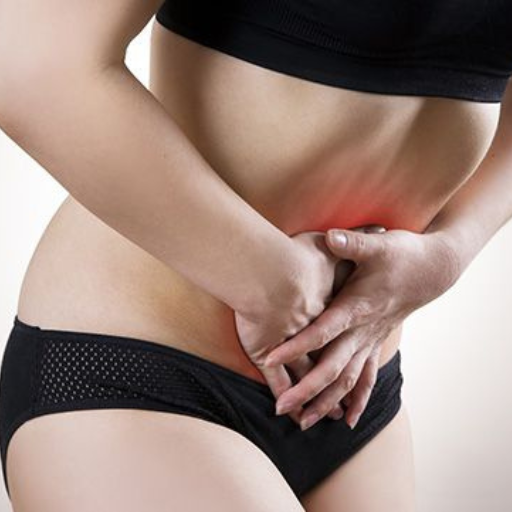
- Dysmenorrhea (severe period pain)
- Infertility or difficulty conceiving
- Pain before periods
- Fatigue
- Pain during bowel movements in periods
- Pain during or after intercourse
- Pelvic or lower back pain during the menstrual cycle
- Spotting or irregular bleeding between periods
These can disrupt daily life and cause distress²⁰.
Impacts on Health
Beyond pain, endometriosis can lead to infertility or even complete inability to conceive²⁰. Symptoms like premenstrual pain affect quality of life. According to the American Society for Reproductive Medicine guidelines, it’s considered a chronic condition, requiring long-term management to prevent recurrence and repeated surgeries¹⁰.
Treatment Options
The main goals are to alleviate symptoms, prevent progression, and reduce infertility risks. Treatments are tailored based on severity, symptoms, and age¹⁰.
Hormonal Therapy
Options like oral progesterone, birth control pills, contraceptive injections, or GnRH agonists (menopause injections) to reduce pain like dysmenorrhea⁹⁴.
Note: Higher-dose medications aren’t recommended long-term, as they may cause bone density loss or menopausal symptoms like hot flashes.
Surgical Treatment
- Conservative surgery: Remove ectopic tissue.
- Radical surgery: May involve removing the uterus and ovaries to prevent worsening¹.
Combined Treatment
Surgery plus medication helps minimize recurrence. Studies show that among 9 patients without post-surgery meds, 2 relapse by year 2, and over half by year 5⁵.
Who Is at Risk?
Any woman in her reproductive years (from teens to menopause) can be affected¹⁰. If symptoms appear, seek medical help promptly to avoid complications.
Conclusion: While common, endometriosis can be managed effectively with early diagnosis and treatment, improving quality of life. Regular check-ups are essential!