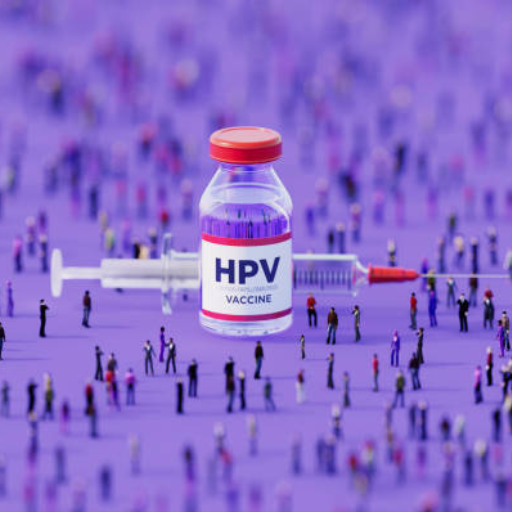
In modern medicine, prevention is always better than treatment. HPV (Human Papillomavirus) is a common virus that can lead to serious health issues, including cervical cancer, oral cancer, and genital warts (commonly known as cauliflower-like growths). Fortunately, the 9-valent HPV vaccine (such as Gardasil 9) is a globally recognized tool that effectively reduces these risks. Today, we’ll dive deep into the vaccine’s benefits, vaccination recommendations, and common myths to help you make informed health decisions. Remember, this article is for reference only—always consult your doctor before getting vaccinated.
What is HPV Virus?
HPV is a virus mainly spread through intimate contact. Most infected people show no obvious symptoms, but high-risk types can cause serious diseases. Research shows that 9 specific HPV types account for about 90% of related diseases.
HPV-Related Diseases and Percentages
Here are the key diseases caused by HPV and their associated rates:
| Disease Type | Related Percentage |
|---|
| Oral Cancer (Oropharyngeal Cancer, a type of head and neck cancer) | 95% |
| High-Grade Cervical Precancerous Lesions | 75-85% |
| Anal Cancer | 90-95% |
| Cervical Cancer | 90% |
| Vaginal Cancer | 80-85% |
| Vulvar Cancer | 85-90% |
| Genital Warts (Cauliflower) | 90% |
These figures highlight HPV as a major culprit behind many cancers. Leading international organizations like the U.S. Centers for Disease Control and Prevention (CDC), American Cancer Society (ACS), and World Health Organization (WHO) emphasize that early HPV vaccination can significantly lower infection risks.
HPV Vaccine Approval and Effectiveness
The 9-valent HPV vaccine has been included in immunization programs in over 155 countries/regions, proving its safety and effectiveness.
- Hong Kong: Since the 2019/20 school year, free HPV vaccination is provided for eligible Primary 5 and Primary 6 girls.
- Macau: Since the 2013/14 school year, free vaccination is offered to eligible Primary 6 girls and females under 18 who haven’t been vaccinated.
The vaccine not only prevents common female issues like cervical cancer but also covers male-related diseases such as anal and oral cancers. Studies confirm long-lasting protection, with no need for booster shots currently.
Vaccination Recommendations and Schedule
The HPV vaccine is suitable for people aged 9 and above, ideally completed before first intimate contact.
- Children aged 9-14: Recommended 2 doses. If the second dose is given within 5 months of the first, a third dose is needed.
- People aged 15 and above: Recommended 3 doses, typically completed within 6 months, but possible within 1 year.
Standard Schedule:
- Dose 1: Date set by your doctor.
- Dose 2: At least 1 month after Dose 1.
- Dose 3: At least 3 months after Dose 2.
Key Notes:
- Pregnant women should avoid vaccination; consult a doctor before planning pregnancy.
- If you’ve started the series, complete it with the same vaccine.
- Observe for 5-7 minutes after injection to monitor for allergic reactions.
Debunking Common HPV Vaccine Myths
There are many misconceptions about the HPV vaccine. Let’s clear them up with science:
- Is the protection long-lasting? Yes—studies show sustained protection; no booster needed.
- Can pregnant women get it? No during pregnancy, but HPV can pass from mother to baby. Get vaccinated before planning pregnancy.
- Does it cause infertility? WHO states there’s no evidence linking HPV vaccine to infertility.
- Can breastfeeding mothers get it? Yes—it has no impact on breast milk.
- Does the vaccine cause HPV infection? No—the vaccine uses virus-like particles that can’t replicate or cause disease.
- Is it effective if you’ve already had HPV? Yes—it prevents uninfected types.
- Can you switch from 4-valent to 9-valent? Yes—the 9-valent covers more types for extra protection.
- Is 2 doses enough for kids? Yes—studies show 2 doses in 9-14-year-olds match the immune response of 3 doses in adults.
- Do men need it? Yes—men often have no symptoms from HPV, but the vaccine prevents related cancers and diseases.
- It can’t prevent already infected types.
Special Focus: Genital Warts (Cauliflower)
Genital warts are a common HPV outcome, appearing as itchy or painless cauliflower-shaped bumps.
- High Contagiousness: Up to 70% chance of infection after intimate contact with an infected person.
- High Recurrence Rate: Untreatable at the root; treatments like freezing or burning relieve symptoms, but recurrence is 70%.
Over 90 countries/regions (e.g., UK, Canada, USA, Taiwan, Australia) include boys in HPV programs. In Hong Kong, boys aren’t covered yet—parents should consult doctors for vaccination.
Most HPV infections clear naturally, but persistent ones can lead to cancer. Local and international experts recommend early prevention for both genders.
Conclusion: Act Early to Protect Yourself and Your Family
The HPV vaccine is a powerful tool to prevent cancers and diseases, safeguarding men and women alike. Even after vaccination, continue regular cervical cancer screenings (like Pap smears).
Health starts with prevention! If you have immune issues or are on treatment, consult your doctor first.
Dear Mom, every screening is a step toward your baby’s health and your peace of mind.
Wishing you a healthy pregnancy and a happy life with your new little one!